“I never really thought of myself as a carer.” It’s a sentence I’ve heard many times over the years. The person saying it might be supporting a husband whose dementia is progressing, visiting a parent before work each morning, or quietly helping a friend whose memory is beginning to fail. They don’t describe themselves as carers. They’re simply doing what families, partners and friends do every day. Yet they also happen to be employees. That simple observation has shaped Playlist for Life’s Workplace Carer Partnership programme.
For many years I have worked alongside people living with dementia, their families and carers, both in clinical practice and through my work with Playlist for Life. More recently, I’ve had the privilege of working with employers across both the public and private sectors. Although every organisation is different, one thing has become remarkably consistent: Dementia is already in the workplace, because people bring their lives to work. In almost every workforce employees are supporting a parent, partner, neighbour or friend. Increasingly, there are also colleagues continuing to make valuable contributions while living with a diagnosis of dementia.
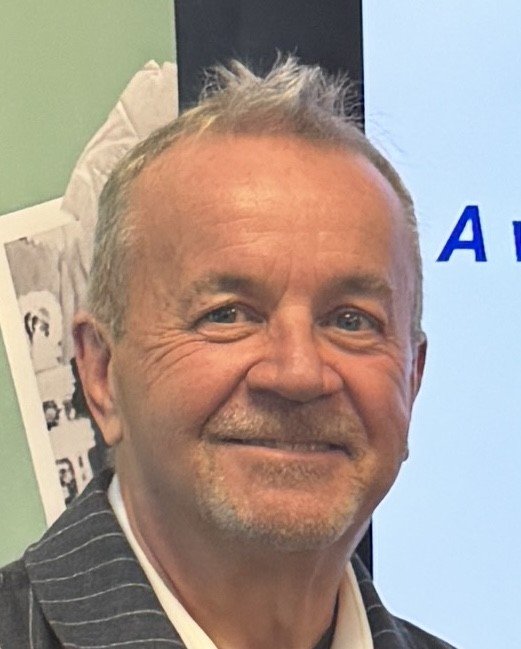
The question isn’t whether workplaces are affected by dementia. The question is whether people feel able to talk about it. That thinking led to the development of Playlist for Life’s Workplace Carer Partnership model: a practical collaboration designed to help employers support working carers and employees affected by dementia in ways that are realistic, compassionate and sustainable. One of our newest partnerships is with ACS Clothing. As fellow members of the network’s Stakeholder Advisory Group, the partnership felt like a natural fit. Together we saw an opportunity to explore how workplaces can better support colleagues whose lives have been touched by dementia. Our initial meeting conversations and our launch event at ACS on 17th June 2026 wasn’t simply about raising awareness. We talked about dementia and some shared experiences for the first time. We shared Playlist for Life’s work around personally meaningful music and discussed the realities facing working carers.
Workplaces can be incredibly important places for support; not because they have all the answers, but because they can create an environment where asking for help feels possible. That philosophy sits at the heart of the Workplace Carer Partnership. We’ve developed a flexible model that offers practical resources, awareness sessions, opportunities for learning and an ongoing relationship with Playlist for Life. The aim isn’t to turn managers into dementia specialists, it’s to help them to be confident to start conversations with empathy. The partnership recognises that some people continue to work successfully following a diagnosis of dementia and that supportive workplaces can play a significant role in helping them remain connected, valued and included for as long as possible.
As more organisations become involved, one thing continues to strike me. Whether we’re working with a manufacturing business, a financial services company or a public sector organisation, the response is remarkably similar. People recognise themselves in the conversation. They realise that dementia is already part of their workplace community and modern working life. We’re keen to understand the impact these partnerships can have on awareness, confidence, organisational culture and the experiences of employees affected by dementia. We hope to explore these questions further alongside colleagues within the network. Success won’t simply be measured in data, but in:
- The employee who feels able to tell their manager they need flexibility for an appointment;
- In the colleague who takes recognises the early signs of dementia in someone they love
- In the manager who feels confident enough to ask, “How can we help?”
If Workplace Carer Partnerships achieve those things, then they will have done exactly what they were designed to do: make workplaces places where work and caring don’t compete but are understood as part of the same human story.